
Buying a used mobile grooming van can save substantial capital, but only if you verify the unit’s real condition and ownership costs, not just the asking price.
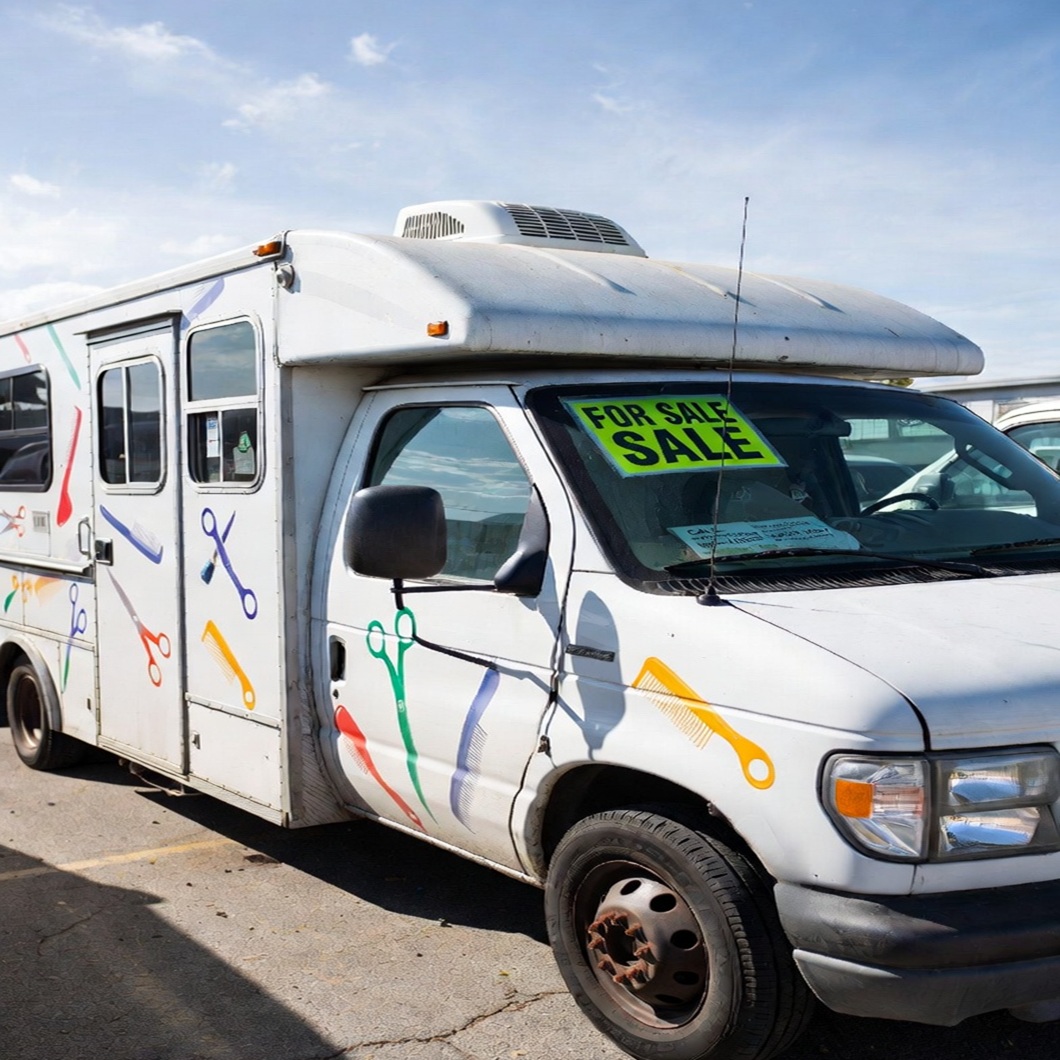
Why buyers still choose used vans
Most operators pick used vans for one reason: lower entry cash outflow. This can free money for working capital, marketing, and operational reserves. But savings disappear quickly if maintenance debt is ignored.
Typical used van price ranges (example budgets)
| Age / Condition | Typical Price | Typical Use Case |
|---|---|---|
| Under 2 years · low miles | $65,000 – $95,000 | Fast launch, still premium margin |
| 3–5 years · good maintenance | $35,000 – $65,000 | Balanced value for startup owners |
| 6+ years · cosmetic wear | $20,000 – $35,000 | Best for DIY refit budget |
| Project vans | $12,000 – $25,000 | Builder with strong mechanical skills |
The 12-point inspection checklist (do before paying)
Use this as your pre-purchase due diligence list and photograph every finding.
- VIN and title history: confirm clean ownership, no liens, clean title.
- Generator and power: total runtime, battery condition, inverter load tests.
- Fresh water lines: inspect for leaks, pump strength, and replacement history.
- Waste tank: check seals, vent routing, mounting integrity.
- Electrical wiring: loose connectors, heat damage, overloaded circuits.
- Cabinetry condition: swelling or water stains indicate humidity exposure.
- Water heater and plumbing fittings: signs of mineral buildup and corrosion.
- HVAC and heating: confirm stable operation in both hot and cool conditions.
- Chassis and suspension: ride comfort and vibration behavior under full load.
- Rust and structural health: underbody inspection and frame check.
- Documentation: filter, hose, and service invoices must be complete.
- Test route: one full operational dry run with 2 mock stop appointments.
Evaluate total cost, not sticker price
Use this formula:
Most buyers underestimate this by 15–25% and then try to recover losses by underpricing.
Red flags that usually signal a bad deal
- New ownership changes without maintenance logs.
- Strong discounts with vague repair promises.
- Water smell, rust at seams, or repeated electrical resets.
- Missing service records for generator and coolant systems.
- Unclear origin for expensive custom equipment.
Financing options for used grooming vans
Options vary by state and lender, but operators compare:
- Bank auto/asset financing: usually lower APR for clean credit.
- Equipment plus business loan: useful for higher conversion bundles.
- Seller financing: can work for older units with faster close.
- Lease-to-own structures: better cash flow visibility for first two seasons.
Where to find reliable used mobile grooming vans
Use channels with records and photos first, then cross-check seller identity:
- Specialized van marketplaces
- Trade groups with references
- Local pet-industry seller networks
FAQ
Is it safer to buy a used van with fewer cosmetic upgrades?
Yes. For mobile grooming, mechanical and utility reliability matters more than paint quality.
Do I need a mechanic check on every used van?
At minimum, yes. Preferably a shop familiar with converted service vans.
How much money should I set aside after purchase?
At least 10–15% of purchase price for first three months of repairs and supplies.
Can I buy and start immediately?
Only if all safety, waste disposal, and insurance checks are done. Build a 7-day pre-launch test window.
Want a lower-risk first purchase?
Use PawsRoute to model pricing and route volume before you buy.
Start Your TrialConclusion
Used mobile grooming vans are often the smartest growth move for service businesses. The winning strategy is simple: buy based on verified condition, not just low price, then launch with disciplined scheduling and strict maintenance logs.